Description
The Black Kite (Milvus migrans) is a familiar bird of prey across India and one of the most commonly observed raptors around cities, towns, agricultural landscapes and open habitats. Known for its graceful soaring flight and distinctive slightly forked tail, the Black Kite is an impressive subject for bird and wildlife photography.
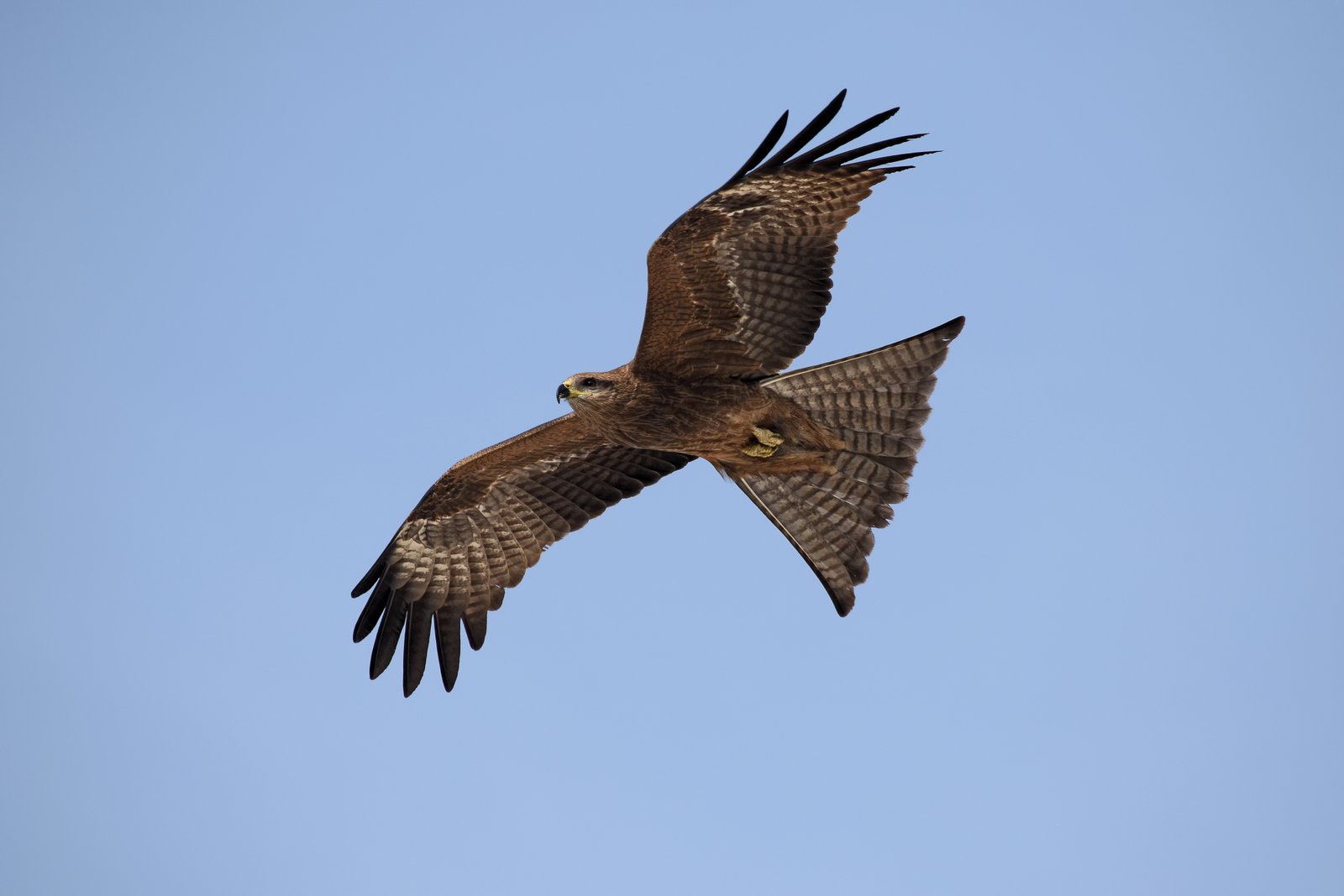
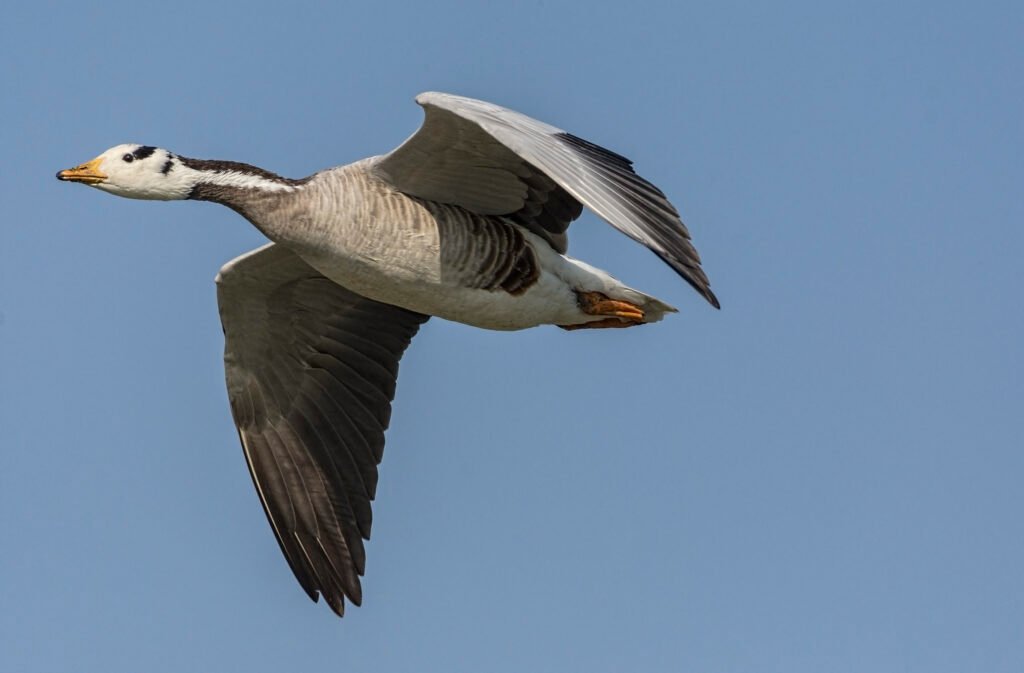
This original wildlife photograph captures a Black Kite in flight, highlighting the bird’s wing shape, dark plumage and characteristic soaring posture.
The photograph was captured by wildlife photographer Amarjeetsinh Jhala and forms part of the Focused Nature By AJ collection of original bird, wildlife and nature photography.
About the Black Kite
The Black Kite is scientifically known as Milvus migrans and belongs to the family Accipitridae. It is a medium-sized bird of prey found across large parts of Europe, Africa, Asia and Australia. In India, the species is widely distributed and includes resident populations.
The Black Kite is also known by names including:
- Black Kite
- Pariah Kite
- Common Kite
- Black-eared Kite
The species is particularly successful in human-dominated landscapes and is frequently seen soaring above cities and towns.
Black Kite Identification
The Black Kite has several distinctive features that help identify it in the field.
Important identification characteristics include:
- Dark brown overall plumage
- Long, broad wings
- Slightly forked tail
- Hooked bill
- Yellowish cere and gape
- Dark eyes
- Long flight feathers
- Graceful soaring flight
Although its common name suggests black plumage, the bird is generally dark brown rather than completely black.
The slightly forked tail and characteristic wing shape are particularly useful features when identifying a Black Kite in flight.
Black Kite in Flight
Black Kites are particularly impressive when photographed in flight.
They frequently use thermal air currents to gain altitude while expending relatively little energy. This allows them to soar and glide for extended periods while searching for food.
A flight photograph can reveal details that are difficult to appreciate when the bird is perched, including:
- Wing structure
- Primary feathers
- Tail shape
- Flight posture
- Plumage pattern
- Wing positioning
- Soaring behaviour
This photograph captures the Black Kite during flight, documenting one of the species’ most characteristic behaviours.
Black Kite in Ahmedabad, Gujarat
The Black Kite is a familiar raptor in Ahmedabad, Gujarat, India.
The species has adapted particularly well to urban environments, where it can be seen soaring above buildings, roads, gardens and open areas.
The Ahmedabad City Bird Atlas includes Black Kite (Milvus migrans) among the birds recorded in the city.
Black Kites are also frequently observed across Ahmedabad and surrounding areas, making the city an interesting location for urban bird photography and raptor photography.
Habitat
Black Kites are highly adaptable birds and can occupy a wide variety of habitats.
They can be found around:
- Cities
- Towns
- Villages
- Agricultural landscapes
- Open countryside
- Wetlands
- Grasslands
- Forest edges
- Human settlements
In India, the species is particularly associated with human-dominated environments. Some populations have become highly adapted to cities and towns, where food resources can be abundant.
Distribution
The Black Kite has an extensive global distribution across parts of Europe, Africa, Asia and Australia.
In India, the species is widely distributed, with the Indian population including the resident subspecies Milvus migrans govinda. Indian Biodiversity records its distribution throughout the Indian Union to approximately 2,500 metres in the Himalayas.
The species is also recorded throughout Gujarat and is considered a resident bird in the state.
Diet and Feeding Behaviour
The Black Kite is an opportunistic predator and scavenger.
Its diet can include:
- Small animals
- Birds
- Reptiles
- Insects
- Carrion
- Food waste
- Other readily available food sources
Its adaptability allows it to exploit a wide range of food resources, including those associated with human settlements.
This ability to take advantage of different food sources is one of the reasons the Black Kite has become so successful in urban environments.
Soaring and Hunting Behaviour
One of the most recognizable behaviours of the Black Kite is its ability to soar effortlessly.
The bird can use rising warm air, known as thermals, to gain altitude and search large areas for food.
Its excellent flying ability allows it to travel efficiently while scanning the ground for prey or carrion.
This behaviour makes the Black Kite an excellent subject for bird-in-flight photography.
Black Kite Photography
The Black Kite is an excellent subject for bird photography and raptor photography.
Photographers can capture the species in a variety of situations, including:
- Soaring
- Gliding
- Hunting
- Carrying food
- Perching
- Chasing other birds
- Taking off
- Landing
A Black Kite in flight can be particularly challenging to photograph because of its speed, changing direction and distance from the photographer.
This image captures the bird in flight and forms part of the Focused Nature By AJ wildlife photography collection.
The collection documents birds, mammals, reptiles and other wildlife through original photography by Amarjeetsinh Jhala.
Black Kite in Gujarat
Gujarat provides a variety of habitats for birds of prey, including urban areas, agricultural landscapes, wetlands, grasslands and open countryside.
The Black Kite is a familiar resident raptor in Gujarat and can be encountered in and around cities such as Ahmedabad as well as in rural landscapes.
Its adaptability to human environments makes it one of the more frequently encountered raptors in the region.
Conservation Status
The Black Kite is currently classified as Least Concern globally. State of India’s Birds lists the species as Least Concern at the global level and describes its Indian population as having a very large distribution range.
Despite its broad distribution and adaptability, threats to individual birds can include collisions, electrocution, pollution and changes in food availability.
Photography Details
Common Name: Black Kite
Alternative Common Names: Pariah Kite / Common Kite
Scientific Name: Milvus migrans
Family: Accipitridae
Order: Accipitriformes
Bird Type: Bird of Prey / Raptor
Location: Ahmedabad, Gujarat, India
Country: India
Habitat: Urban Areas, Open Countryside, Agricultural Areas, Wetlands and Forest Edges
Diet: Opportunistic Predator and Scavenger
Status: Resident / Winter Migrant depending on population
IUCN Status: Least Concern
Photograph Type: Bird in Flight / Wildlife Photograph
Photographer: Amarjeetsinh Jhala
About This Photograph
This is an original Black Kite wildlife photograph captured by wildlife photographer Amarjeetsinh Jhala.
The photograph documents a Black Kite (Milvus migrans) in flight and forms part of the Focused Nature By AJ collection of original bird and wildlife photography.
The image can be licensed for approved personal, commercial, educational, editorial and printing applications according to the selected license.
Image Licensing
Personal Use
Suitable for personal collections, wallpapers and other approved non-commercial applications.
Commercial Use
Suitable for websites, digital marketing, advertising, social media, business presentations and other approved commercial applications.
Printing & Publication
Suitable for magazines, books, newspapers, calendars, educational publications, exhibitions and other approved editorial and printing uses.
Explore More Indian Bird Photography
Explore more original Black Kite photographs, Black Kite in-flight photography, Milvus migrans photography, Indian raptor photography, Ahmedabad bird photography, Gujarat bird photography, bird-in-flight photography, wildlife photography and nature photographs captured by Amarjeetsinh Jhala.
Focused Nature By AJ documents birds, mammals, reptiles and nature through original wildlife photography, with selected photographs available for personal, commercial and printing & publication licensing.
Reviews
There are no reviews yet.